There are bad policy decisions. Then there are policy decisions so spectacularly misguided that they eventually require the government to tell people whether or not they’re allowed to cool their own homes in extreme summer heat.
Europe spent years shutting down reliable nuclear generation, restricting domestic energy production, and chasing an intermittent-only energy future that was never capable of providing affordable, dependable electricity on its own.
Now, as another dangerous heat wave grips the continent, the consequences are becoming impossible to ignore.
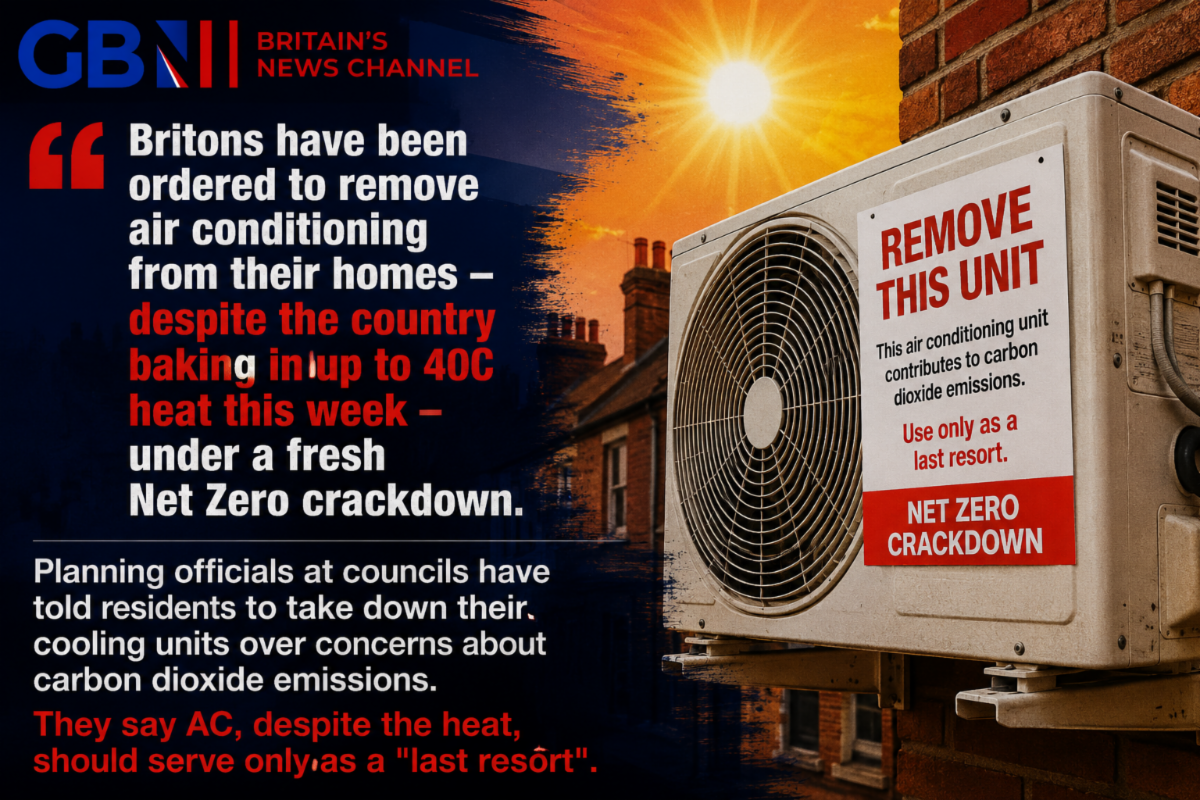
That’s right, people are being told to limit or stop their air conditioning use. In some places, inefficient or older air conditioning units are being phased out or removed under increasingly restrictive regulations. Energy affordability has become a public health issue. Tragically, extreme heat claims tens of thousands of lives across Europe each year.
Yet somehow, instead of asking whether these policies played a role, some European leaders have found time to blame…the United States.
That’s certainly one way to avoid looking in the mirror.
Reliable electricity isn’t a luxury. Air conditioning isn’t a political statement. During extreme weather, both can be the difference between life and death.
The lesson for New Jersey couldn’t be clearer. When policymakers deliberately eliminate reliable sources of generation before practical replacements exist, consumers don’t gain freedom. They lose it. They lose affordable bills. They lose reliability. And eventually, they may even lose the ability to decide how to keep their own families safe.
We’ve said it before: energy policy isn’t an academic exercise. It has real-world consequences measured in dollars, reliability, economic competitiveness, and sometimes lives. New Jersey still has time to avoid repeating Europe’s mistakes. Let’s hope we choose reliable power instead of learning those lessons the hard way.
About the Author: affordableenergy
