Data centers have quickly become the latest source of fear in New Jersey’s energy debate. They are portrayed as massive, power-hungry facilities built solely to fuel artificial intelligence. But AI is only the leading edge of a much larger digital economy that has relied on data centers for decades.
Every time you send an email, stream a show, swipe a credit card, join a video call, save a photo to the cloud, use a navigation app or search the internet, a data center is working behind the scenes.
Let’s be honest. We are not going to use less data. The real question is whether New Jersey will plan for that reality or allow fear and misinformation to dictate its energy policy.
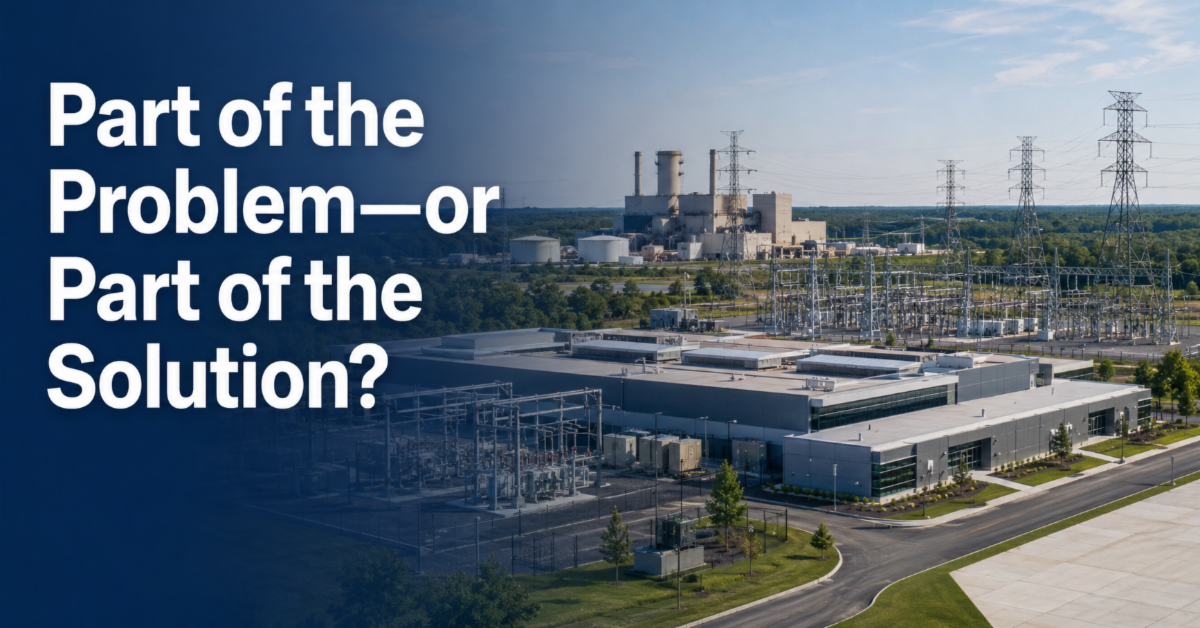
Governor Mikie Sherrill recently signed a law requiring data centers to report their electricity and water use twice a year. The state has also eliminated $250 million in uncommitted data center tax credits and adopted requirements intended to keep the cost of serving these facilities from being shifted onto other customers.
Transparency and ratepayer protections make sense. Data centers should disclose their resource use, pay the full cost of the infrastructure they require, and address legitimate community concerns. But accountability should not become another excuse to block investment. A better approach would allow data centers to:
- Build or finance new, reliable generation
- Use proven baseload energy sources capable of operating around the clock
- Invest in transmission, substations and other grid improvements
- Reduce/shift grid demand during periods of peak electricity use
- Improve energy and water efficiency as technology advances
- Pay their full share without transferring costs to families and businesses
Handled correctly, data centers could bring more generation onto the system, help fund long-overdue grid improvements, and support a more reliable electric supply.
Handled poorly, they could become another example of government picking favored technologies, restricting practical solutions and then acting surprised when electricity remains scarce and expensive.
New Jersey does not need a blank check for data centers. It also does not need a blanket rejection of them.
It needs clear standards, honest accounting, and an energy policy grounded in how the electric system actually works. Data centers can be part of the solution, but only if New Jersey allows them to bring real power with them
About the Author: affordableenergy
