As reported by BINJE last week, a senior VP from PJM came to NJ to speak at an NJBIA conference about the future of our electricity system, including the challenges of affordability, reliability, and meeting growing demand.
For the better part of the last decade, PJM has been warning about the very challenges we are now facing. Through projections, reports, and testimony before the New Jersey Legislature, the warnings have been consistent: electricity demand is growing, reliable generation is retiring, and we aren’t bringing enough new supply online to keep pace. And this isn’t like gambling on a football game and getting lucky when somebody kicks a last-second field goal to cover the spread. This is sophisticated forecasting based on real data, tracking the electricity we need against the electricity we have available to produce.
PJM sits at the intersection of supply and demand. Its job is to monitor both, identify potential problems, and help ensure the system has enough electricity to keep the lights on. And for years, it has been telling us where things were headed. This isn’t just a New Jersey problem. PJM operates the electric grid across all or parts of 13 states and Washington, D.C. The entire concept of a regional grid is that states share resources and help one another maintain reliability. When Pennsylvania, Ohio, West Virginia, or another state brings new generation online, New Jersey benefits from having that additional supply available to the regional system.
But that works both ways. When states retire reliable generation without adequate replacement or make it harder to build new supply, the consequences aren’t necessarily confined to their borders. They can affect the entire grid. That’s why the decisions being made across the PJM footprint matter to every state, including New Jersey.
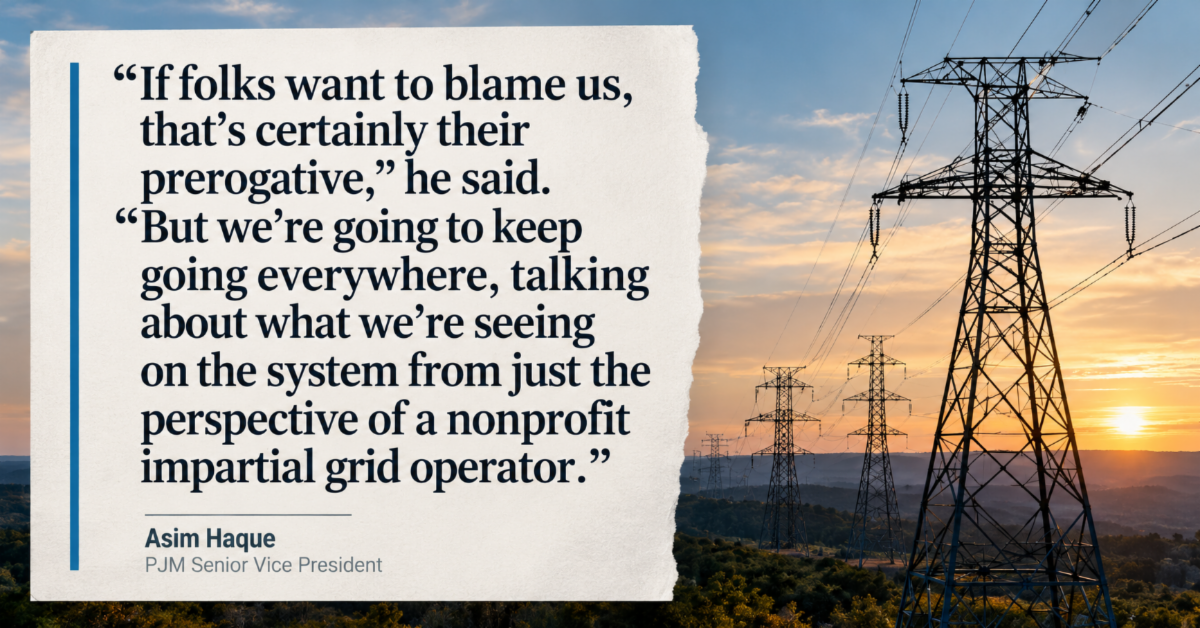
The problem wasn’t that nobody saw this coming. The problem is that we collectively chose not to listen. Now, as electricity costs rise and reliability concerns grow, some policymakers are pointing fingers at PJM and its auction process. And while there may be legitimate discussions to have about improving that process, let’s not confuse the messenger with the people making the decisions. PJM’s auction process didn’t retire reliable power plants. It didn’t make the policy decisions that discouraged investment in new generation. It didn’t create the permitting and regulatory obstacles that make replacing lost capacity more difficult. Those were policy choices made across the region.
People can criticize the process all they want, but changing how we calculate the cost of electricity doesn’t magically create more of it. And when demand keeps increasing while dependable supply struggles to keep up, the consequences eventually show up in everyone’s electric bill.
If affordability is truly the priority, then the conversation needs to move beyond assigning blame and toward building the generation and infrastructure the entire region needs. New Jersey has a responsibility to be part of that solution, just as it benefits when its neighbors invest in new supply.
PJM has been warning us about the problem for years. It’s time we started addressing it instead of blaming the people who told us it was coming
About the Author: affordableenergy
