New Jersey has officially improved from the eighth-most expensive state in America for utility bills to the ninth-most expensive.
But before we break out the bubbly and celebrate, let’s take a moment to look at what it means for the people actually paying those bills.
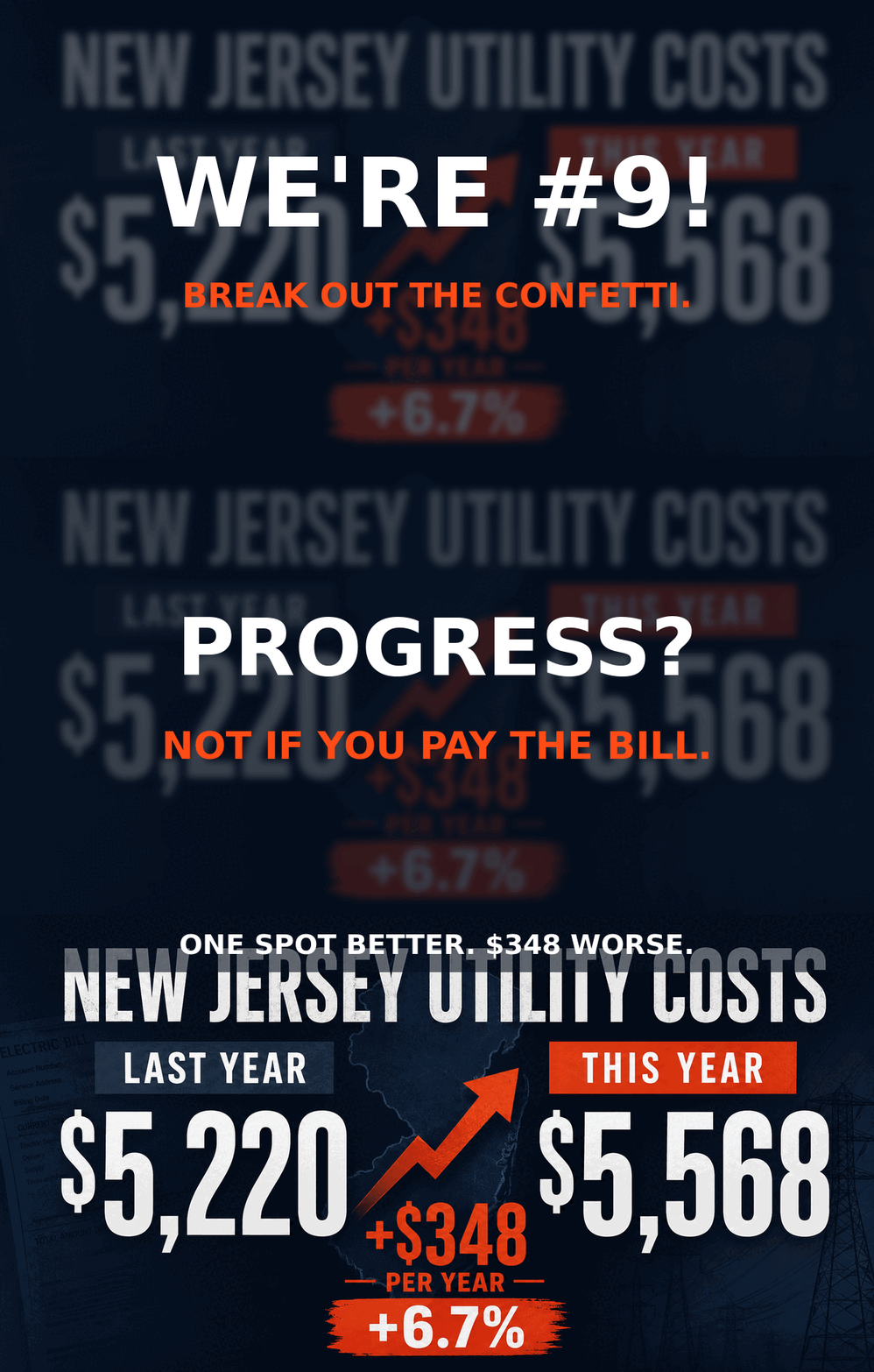
So yes, New Jersey moved down one spot in the national rankings. But that was not because utility bills became meaningfully more affordable. They didn’t.
New Jersey families are now paying roughly $465 per month, compared with the national median of $364. Garden State residents also pay more than the national median in every utility category included in the report.
But sure, ninth place sounds better than eighth. This is what passes for progress when policymakers focus more on managing headlines than lowering costs. The ranking changed. The bills went up. And New Jersey remains one of the ten most expensive states in America for basic utilities.
Ratepayers do not need a slightly less embarrassing ranking. They need more reliable energy supply, fewer expensive mandates, and an energy policy designed around affordability.
That requires making the decisions necessary to build more generation here in New Jersey. It means approving dependable power projects, removing barriers that prevent new supply from coming online, and allowing utilities to invest in generation that can keep the lights on when it is needed most.
Instead, New Jersey continues to talk about affordability while delaying the generation decisions that could actually improve it. You cannot conserve, subsidize, or press-release your way out of a supply shortage. And you certainly cannot lower energy costs by refusing to build the energy supply the state needs.
Until New Jersey gets serious about generation, the state can keep climbing down the rankings one spot at a time while families watch their bills climb in the opposite direction. Some victory.
About the Author: affordableenergy
