For years, expanding nuclear power has been part of the conversation about America’s energy future. Now, two major developments show how that conversation is turning into action
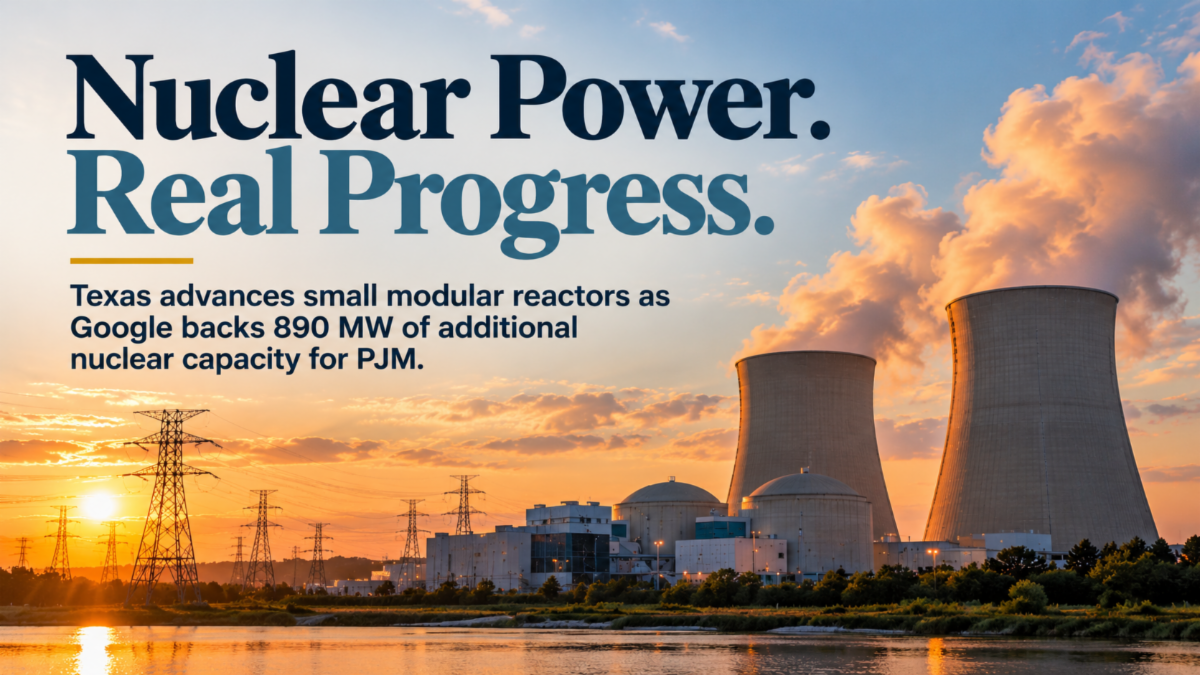
In Texas, the first small modular nuclear reactors have begun the grid-connection process. Blue Energy Global has applied to connect as many as five 300-megawatt reactors to the Texas electricity grid, representing up to 1,500 megawatts of potential new generation. Meanwhile, Google and Constellation Energy have announced a landmark agreement to bring 890 megawatts of additional nuclear power to the PJM grid, which serves New Jersey and 12 other states. The 20-year agreement will support more than $4.3 billion in investments to upgrade 11 existing nuclear units across New Jersey, Pennsylvania, and Illinois. That’s additional electricity from facilities already operating, equivalent to the capacity of a new large nuclear reactor.
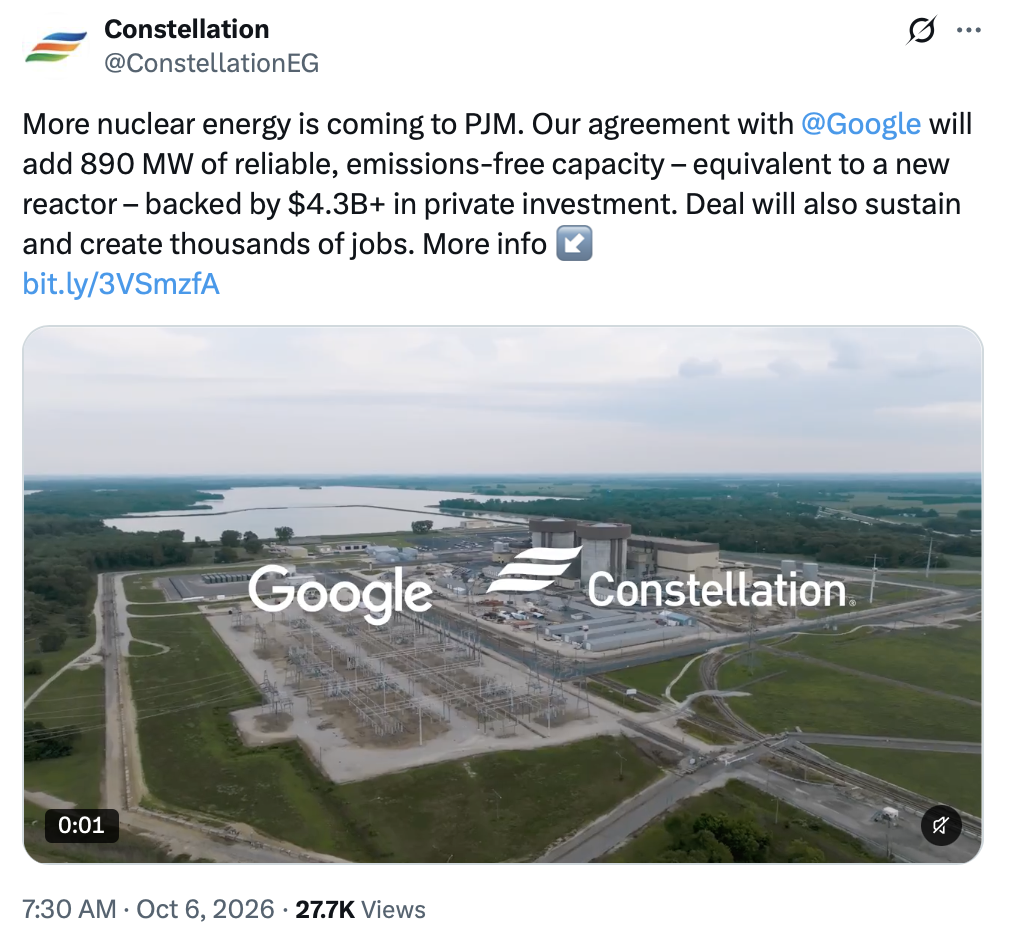
These two approaches share the same objective: adding reliable electricity to meet growing demand. Texas is advancing next-generation nuclear technology through the grid approval process. Google and Constellation are backing significant private investment to expand output from existing nuclear plants.
For New Jersey, where rising electricity costs and concerns about future supply remain front and center, the PJM announcement is especially significant. More dependable generation can help strengthen grid reliability and ease pressure on future electricity costs. In fact, Governor Sherrill welcomed the announcement.
The lesson is simple: Meeting growing electricity demand requires building and expanding supply, not just talking about it. Nuclear energy is becoming an increasingly important part of that effort, and recent developments show companies are committing real dollars to make it happen.
About the Author: affordableenergy
